


Furniture retail · Editorial commerce
Furniture Decor
Furniture chosen for how a room lives.
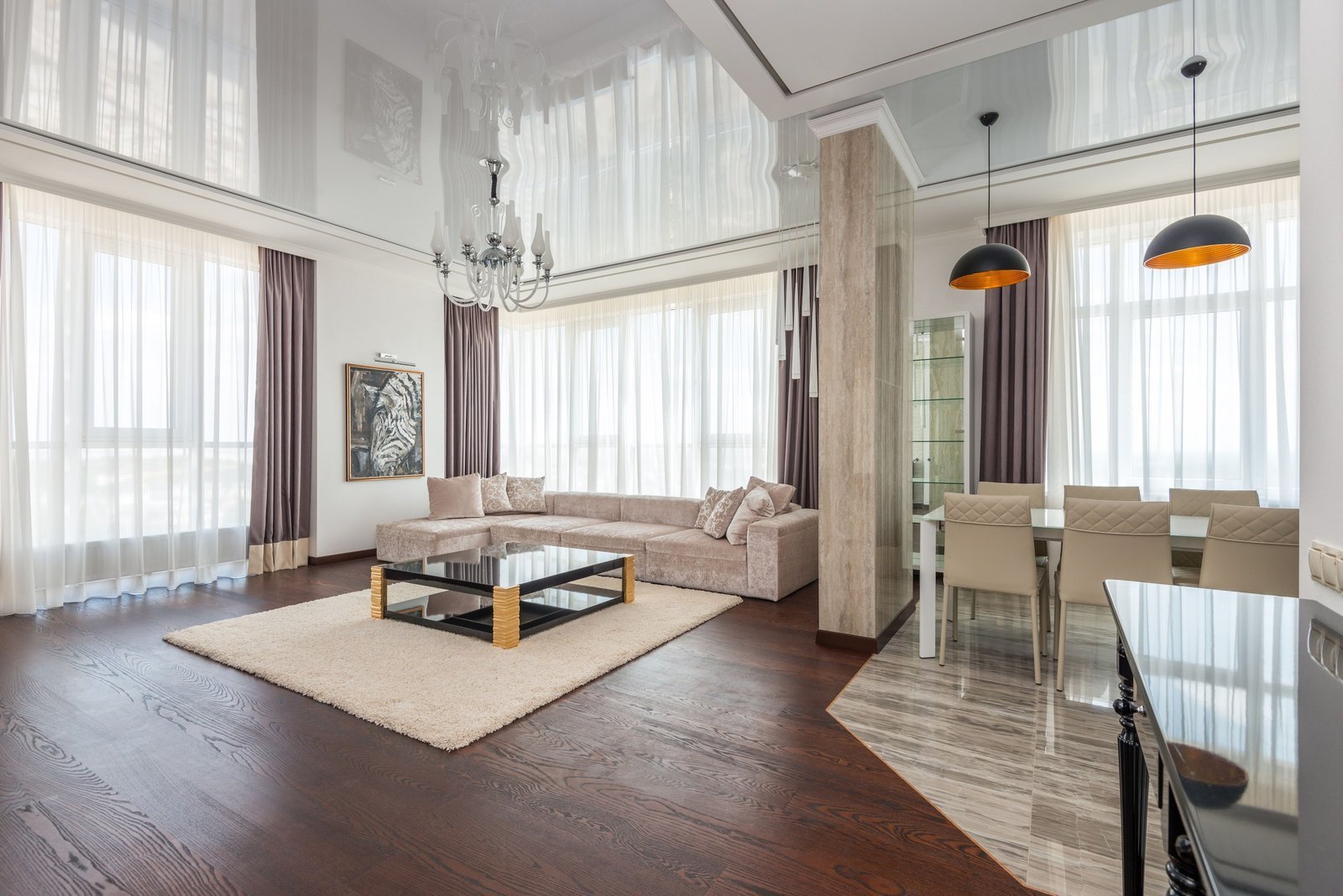
About the project
An editorial commerce platform for office and home furniture selected for comfort, durability, and contemporary Kenyan spaces.
View live projectFurniture Decor brings a broad collection into one considered journey: aspirational interiors establish the point of view, structured categories make products easy to find, and practical buying support stays close to every decision.
- Client
- Furniture Decor
- Status
- Live commerce platform
- Role
- Product design & full-stack development
- Services
- Commerce strategy · UX/UI · Information architecture · Engineering
- Industry
- Furniture & interiors
- Platform
- Responsive e-commerce
Case study framework
From the problem to the shipped product.
A transparent view of the UX thinking, interface decisions, and front-end engineering behind the work.
- 01Problem
- 02Context
- 03Discovery
- 04Pain points
- 05Flows
- 06Wireframes
- 07Exploration
- 08Final UI
- 09System
- 10Implementation
- 11Learnings
A broad furniture catalogue needed to feel curated rather than crowded.
Furniture Decor serves office teams, homeowners, designers, and buyers furnishing complete spaces. The challenge was to give a large, changing catalogue the clarity of a commerce platform while preserving the atmosphere and confidence of a considered interiors brand.
Who the product had to work for—and what the business needed it to change.
- Home furniture buyers
- Office and procurement teams
- Interior designers
- Hospitality and project clients
- Make a broad catalogue easy to navigate
- Create a distinct premium position
- Build confidence around delivery and warranty
- Connect products to cart and human support
Discovery focused on the decisions people were already trying to make.
- Room context creates desire, but dimensions, price, stock, and delivery create confidence.
- Office and home buyers share products but enter with different tasks.
- High-consideration purchases need a direct conversation that preserves product context.
The experience had to remove three sources of friction.
Catalogue density
Desks, chairs, storage, home pieces, and specialist categories could become difficult to scan as one collection.
Missing context
A product image alone could not answer questions about use, fit, availability, delivery, or after-sales support.
Broken handoff
Generic contact channels forced buyers to repeat the product and decision context that brought them there.
Move from a room in mind to the right product and the right buying path.
- 01
Find direction
Curated interiors and room-led entry points
- 02
Explore
Structured office and home categories
- 03
Compare
Imagery, type, stock, and price
- 04
Evaluate
Gallery, description, delivery, and related pieces
- 05
Purchase
Cart or product-aware WhatsApp enquiry
The structure separated inspiration, selection, and transaction.
Early layouts tested how a visitor could move from a complete-space story into a dense product collection without an abrupt change in character. The catalogue index, product detail, cart action, and enquiry handoff were treated as one continuous decision journey.
Quiet editorial framing, practical retail behaviour.
Show the room before the isolated product
Keep category and price information immediately scannable
Place delivery and warranty beside the decision
Let every enquiry retain its product context
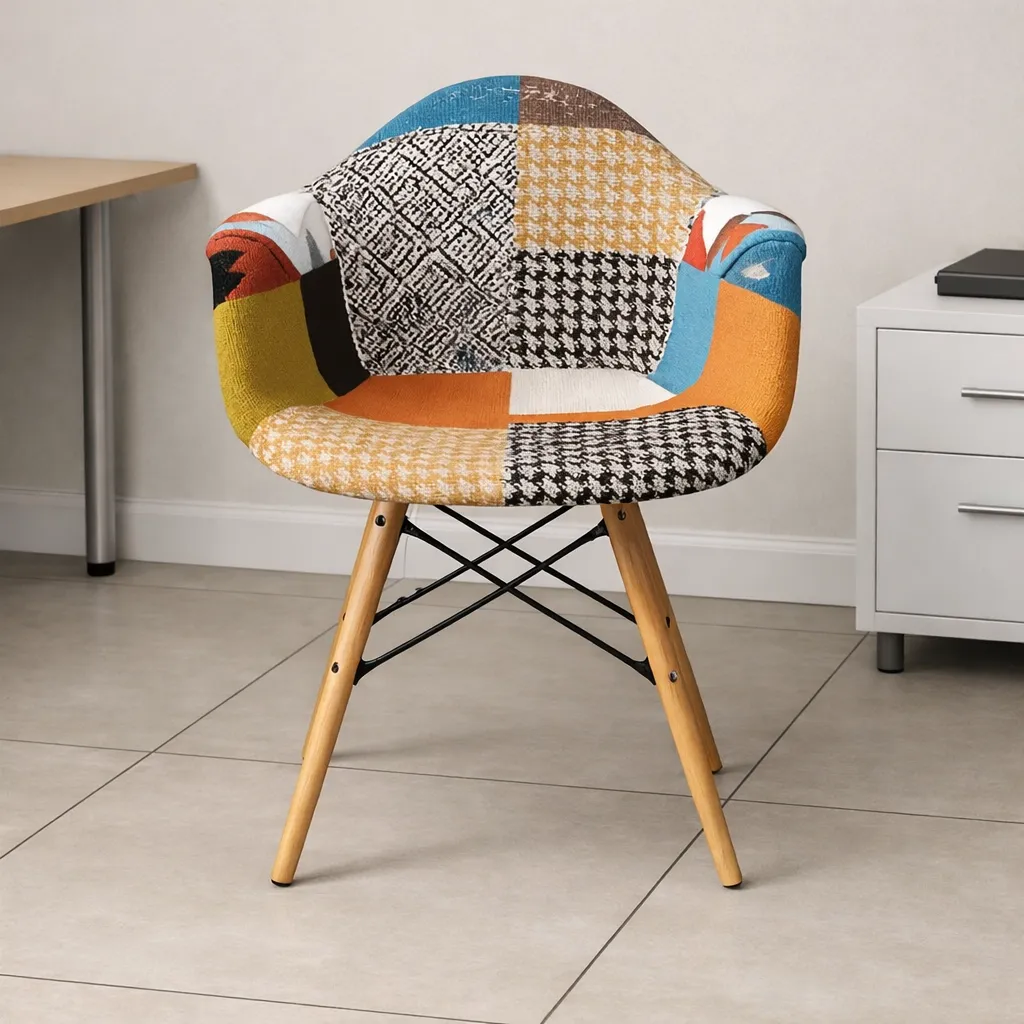
Interiors establish the mood; product photography closes the distance.
The final direction moves between complete spaces, quiet material details, and clean product imagery. This balance lets the brand inspire a room while giving individual desks, chairs, storage, and home pieces the clarity required for online buying.

A shared component language connects editorial content and commerce.
#65483b#e8ddd2#181411#f7f5f0- Warm neutral tokens hold varied product photography together.
- Product cards expose only the information needed for comparison.
- Editorial and catalogue sections share spacing and typography so the experience never feels split in two.
The platform is built for a growing, searchable product collection.
The server-rendered responsive experience combines reusable editorial sections with structured product routes, paginated collections, cart actions, WhatsApp enquiries, canonical metadata, and JSON-LD for collection and product pages. Responsive images and progressive loading keep photography central without making the catalogue unnecessarily heavy.
Model category hierarchy independently from editorial page composition.
Generate canonical and structured metadata for collection and product routes.
Carry product identity and price into WhatsApp enquiries automatically.
What the work changed—and what I would carry into the next version.
A furniture catalogue sells more clearly when inspiration and utility are sequenced instead of mixed.
Delivery, warranty, and availability are interface content, not footer details.
Preserving product context makes the handoff from self-service to conversation substantially stronger.
The impact
An editorial furniture brand with the utility of a serious catalogue.
Furniture Decor now connects inspiration, product discovery, purchase, and human support in one responsive experience. The result gives a large and changing collection room to grow without losing the calm, considered character of the brand.
Continue exploring
Elara Labs